
The Link Between Sleep and Behaviour
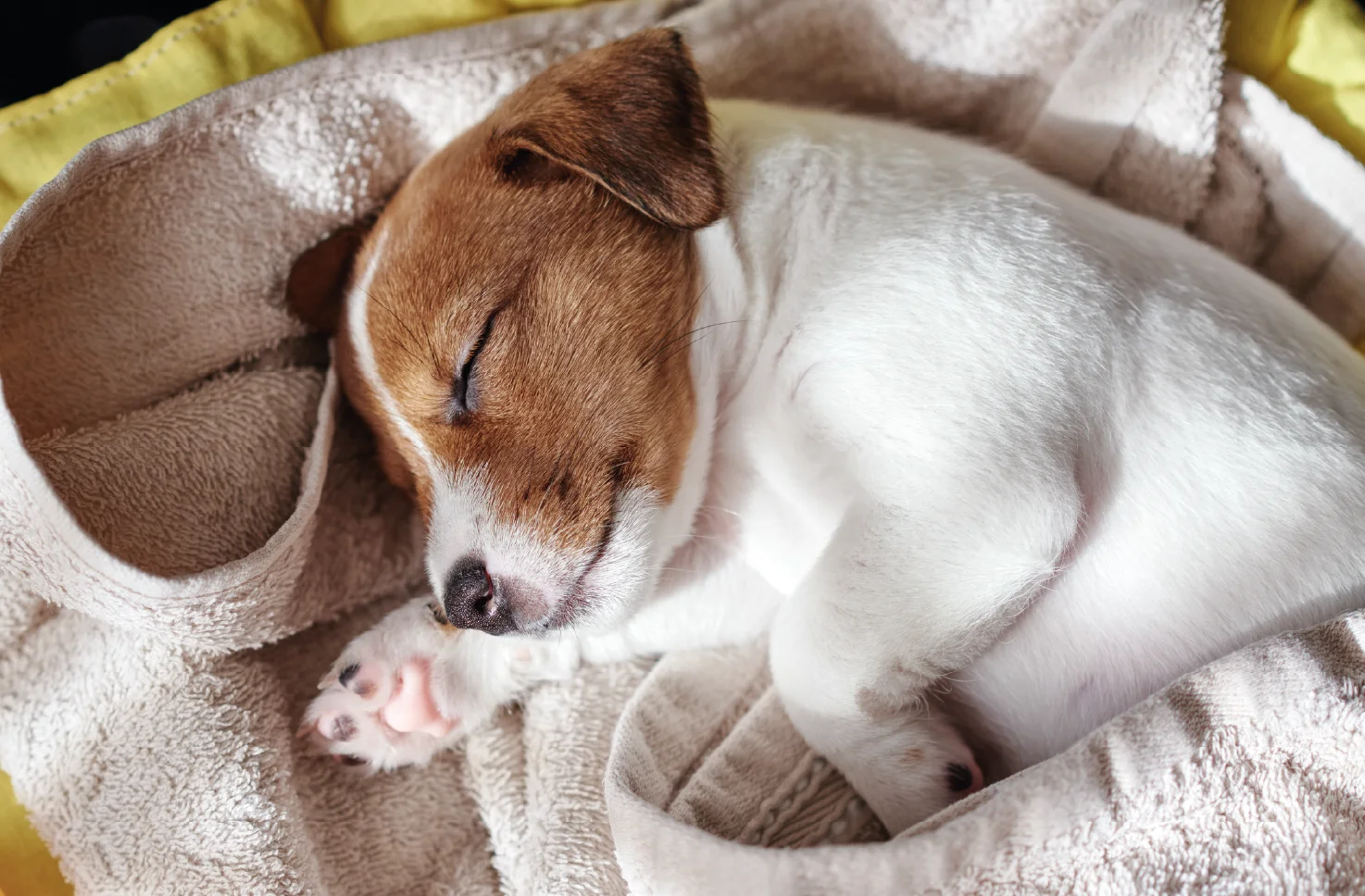
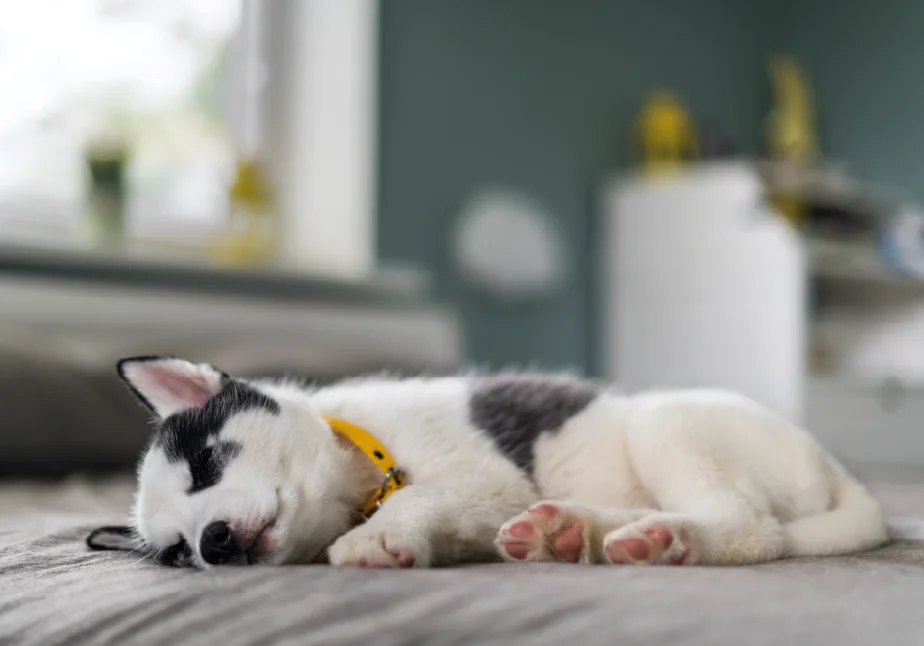
A well-rested puppy is more focused, calm, and responsive. On the other hand, an overtired puppy may:
- Ignore cues they usually understand
- Become hyperactive or “zoomy”
- Bite, chew, or nip more than usual
- Struggle to settle down
These behaviours are often mistaken for stubbornness, when in reality, they’re signs that your puppy needs more sleep.
Supporting healthy sleep habits is a huge part of successful puppy sleep training and behaviour development.
How Sleep Improves Training Results
Better Focus
A rested puppy can concentrate for longer and respond more accurately to cues.
Faster Learning
Sleep helps reinforce what your puppy has learned, helping training stick and speeding up progress.
More Emotional Balance
Well-rested puppies are less likely to become overwhelmed or anxious during training sessions.
Puppy Sleep Tips for Better Training
Schedule Nap Breaks
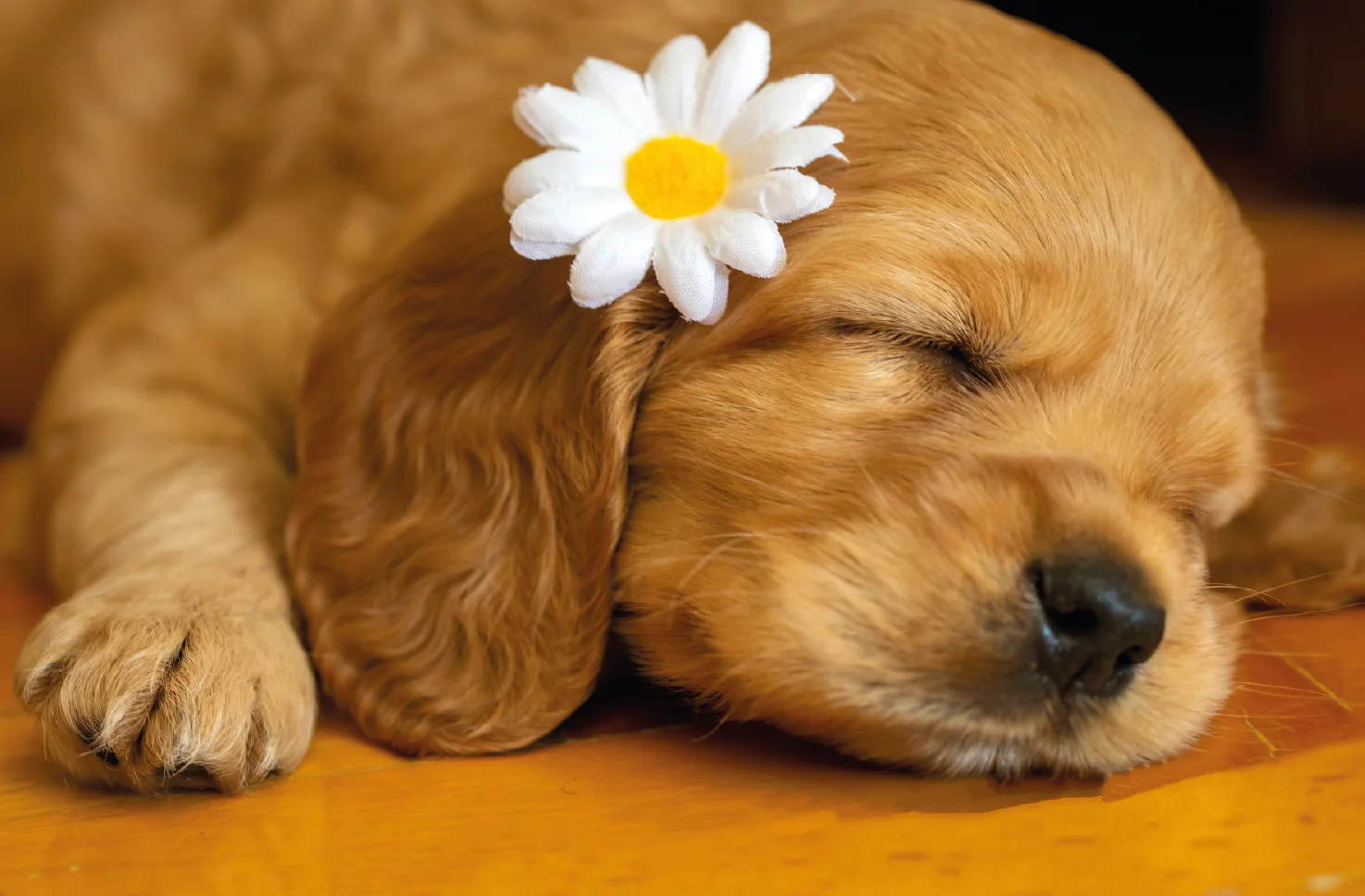
After play or training, encourage your puppy to rest. This helps them process what they’ve learned and prevents overtired behaviour.
Create a Calm Sleep Environment
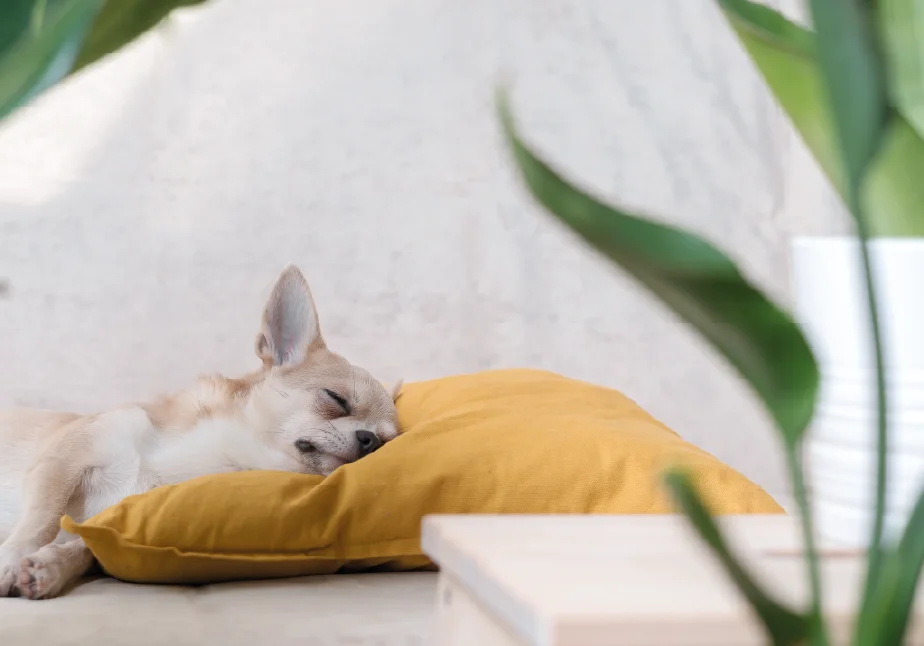
Provide a quiet, comfortable space away from distractions where your puppy can properly relax and switch off.
Keep Training Sessions Short
Work in short bursts of 5–10 minutes, followed by rest. This prevents mental overload and supports healthy puppy sleep training habits.
Signs Your Puppy Needs a Nap
If your puppy suddenly becomes difficult during training, watch out for these signs:
- Increased biting or nipping
- Sudden bursts of energy
- Loss of focus
- Whining or restlessness
These are often indicators that your puppy is overtired, not disobedient.
Final Thoughts
If you want faster, smoother puppy training results, don’t just focus on what happens during training sessions. Pay attention to what happens afterwards too.
Puppy sleep plays a crucial role in shaping behaviour, learning ability and emotional wellbeing. By making rest a priority, you’ll set your puppy up for success and make the training journey far more enjoyable for both of you.
Get in touch today
to find out how I can support you through the early stages of puppy ownership and help you build a calm, positive relationship with your dog.
A Final Reassurance
Right now, your puppy might feel like chaos on four legs. But this stage doesn’t last forever. With time, patience, and the right support, things get easier and if today feels hard that’s okay, it’s just part of the journey.
📸 Share Your Training Journey!
Tag @Happipup or use #TrainWithHappipup on Instagram to show off your progress. We love seeing our pups learn and grow with love!